
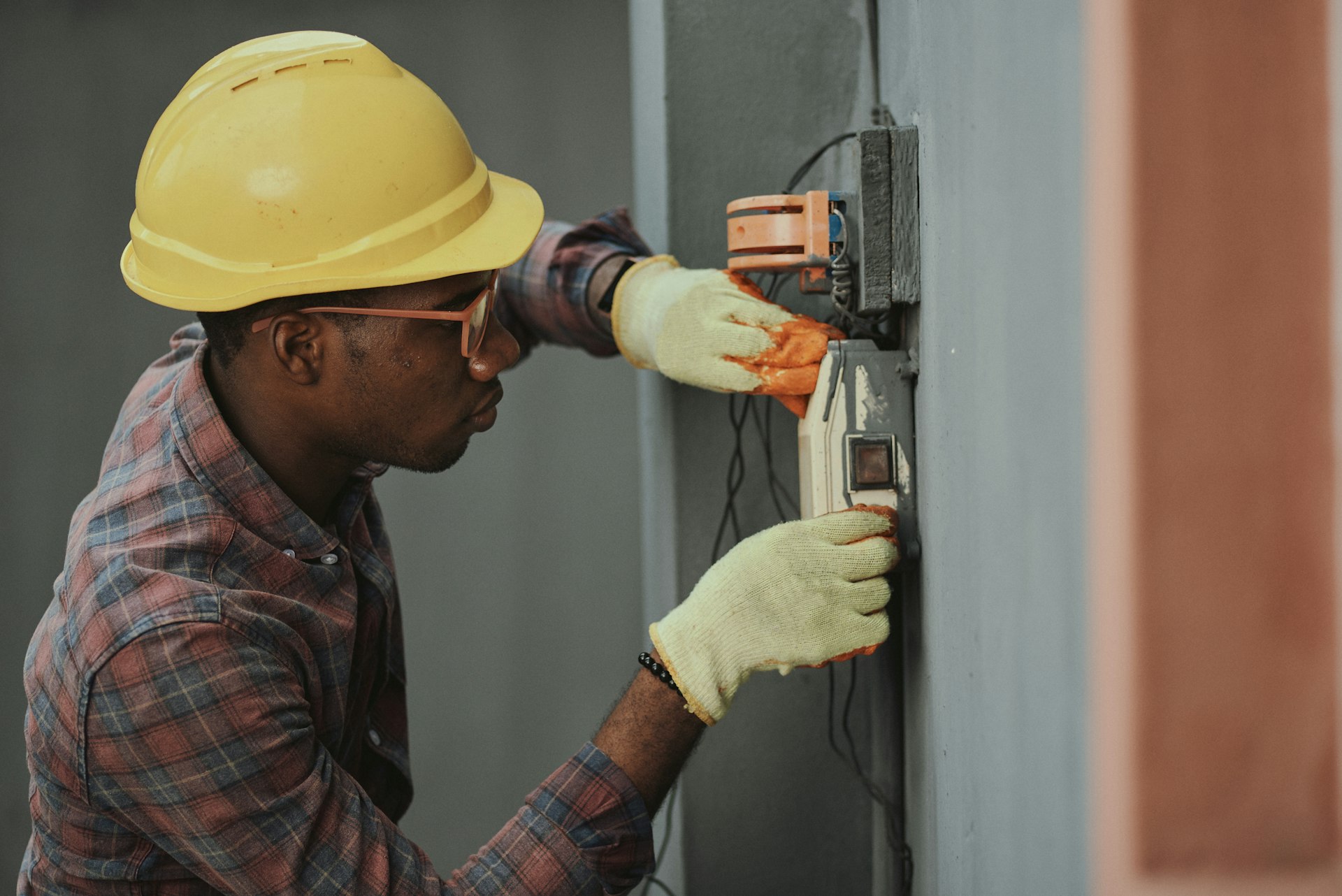
A symptom is a starting point, not a diagnosis
Loss of power, flickering, recurring protective-device trips or a damaged device can have different causes. The useful information is what happened, where and when, not a guess made from equipment age. A Licensed Electrical Contractor should assess the installation within a defined diagnostic scope and explain the identified cause before repair work is approved.
Prepare the scope for your Uxbridge property
Record symptoms from safe locations and identify equipment in use at the time. Keep people away from damaged equipment or conductors and avoid approaching a suspected supply problem to photograph it.
Ask whether the visit covers the house, the separate building or both. The provider should identify any utility coordination and explain the approved repair scope after diagnosing the cause.
What should the assessment establish?
For a fault at an Uxbridge workshop or garage, the written findings should identify the installation actually examined. If the first visit covers only the affected structure, ask whether the supply to it was also assessed or remains a question. Have any restrictions on equipment use stated clearly. A repair should follow the confirmed cause, while a broader property upgrade needs a separate explanation. If utility involvement is required, record that next step and who arranges it so the owner does not assume the contractor's visit settles equipment outside the agreed responsibility.
Questions before you agree to work
Can the price be confirmed from a description?
A description helps define the first assessment, but it may not establish the cause or repair scope. Ask what the initial charge covers and how a further quotation will be approved.
Does this site provide emergency dispatch?
No. The form is reviewed as an enquiry and does not provide urgent attendance. Immediate danger belongs with emergency services; arrange electrical work directly with a Licensed Electrical Contractor.