
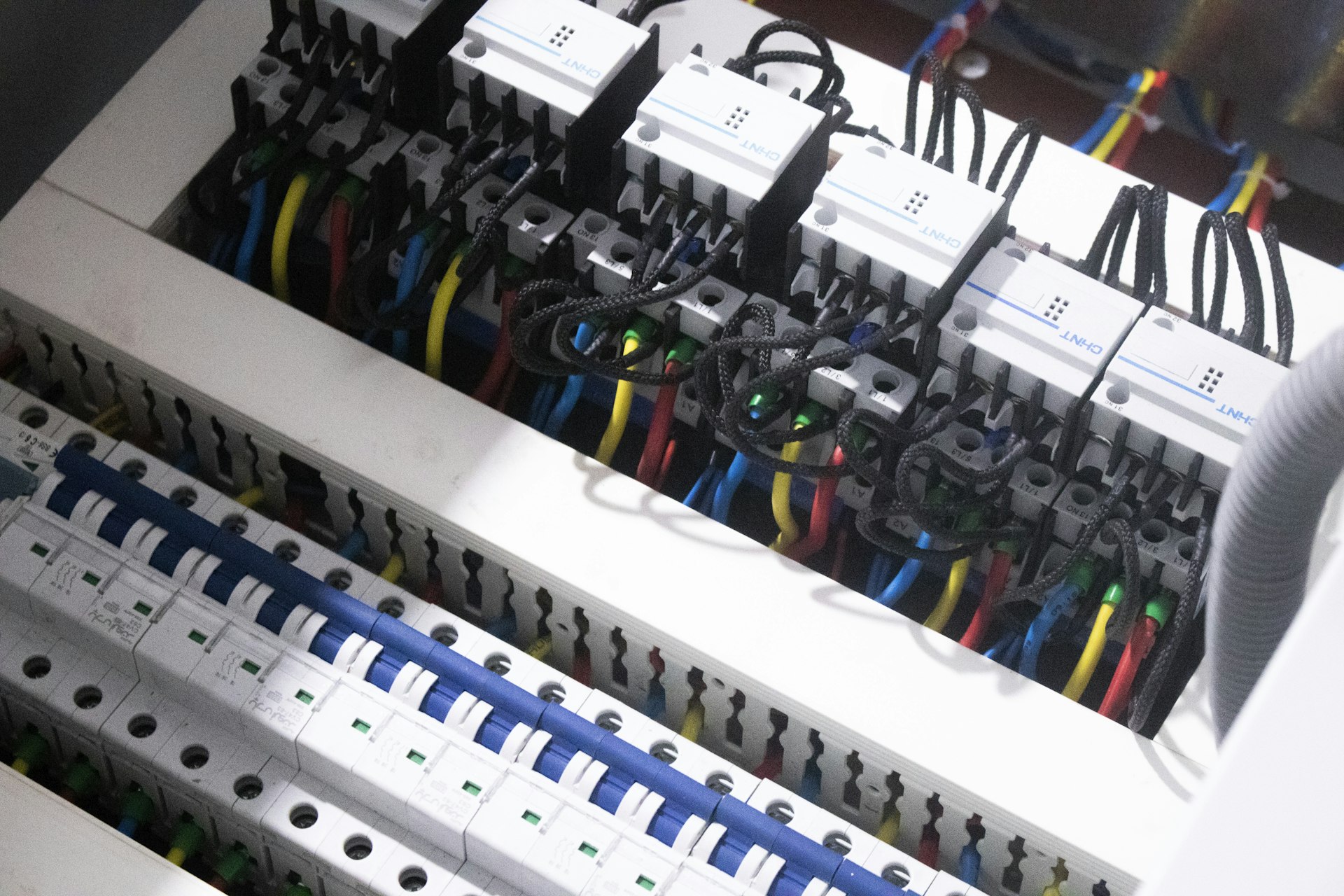
A useful assessment has a stated purpose and boundary
A condition concern, renovation decision or insurer request can each call for a different assessment. Agree which equipment and areas will be reviewed, whether testing is included and what written result will be provided. Concealed wiring and inaccessible equipment may limit conclusions. A general visit should not be represented as complete certification of everything in the property.
Prepare the scope for your Uxbridge property
Supply a location list, the purpose of the review and available electrical records. Flag inaccessible spaces and any concern that may require a separate specialist or utility assessment.
Ask for written findings and a useful priority order. The report should record unknown or concealed conditions rather than imply that the entire property has been examined without limits.
What should the assessment establish?
A multi-structure Uxbridge assessment should give each included area a clear place in the report. Ask how findings from the house, separate buildings and exterior installations are recorded and what was unavailable for review. If a concern requires specialist access or utility information, have that dependency stated. The report should distinguish a confirmed condition from an installation whose existence was merely noted. Request a priority order that follows the evidence and intended use, allowing targeted action without assuming a property-wide replacement is the necessary response to every isolated observation.
Questions before you agree to work
Is a condition report an ESA Certificate of Acceptance?
No. ESA issues a Certificate of Acceptance through its electrical notification and review process. Agree the purpose of a contractor report separately and ask what documentation applies to any new work.
Does the review guarantee concealed wiring is sound?
A review has limits. Ask what was inspected or tested, what remained inaccessible and what further investigation is recommended. A clear report should make those limits visible.